Joshua Tree National Park
Thursday, November 5, 2026 -
Thursday, November 12, 2026 --
$1900
★★
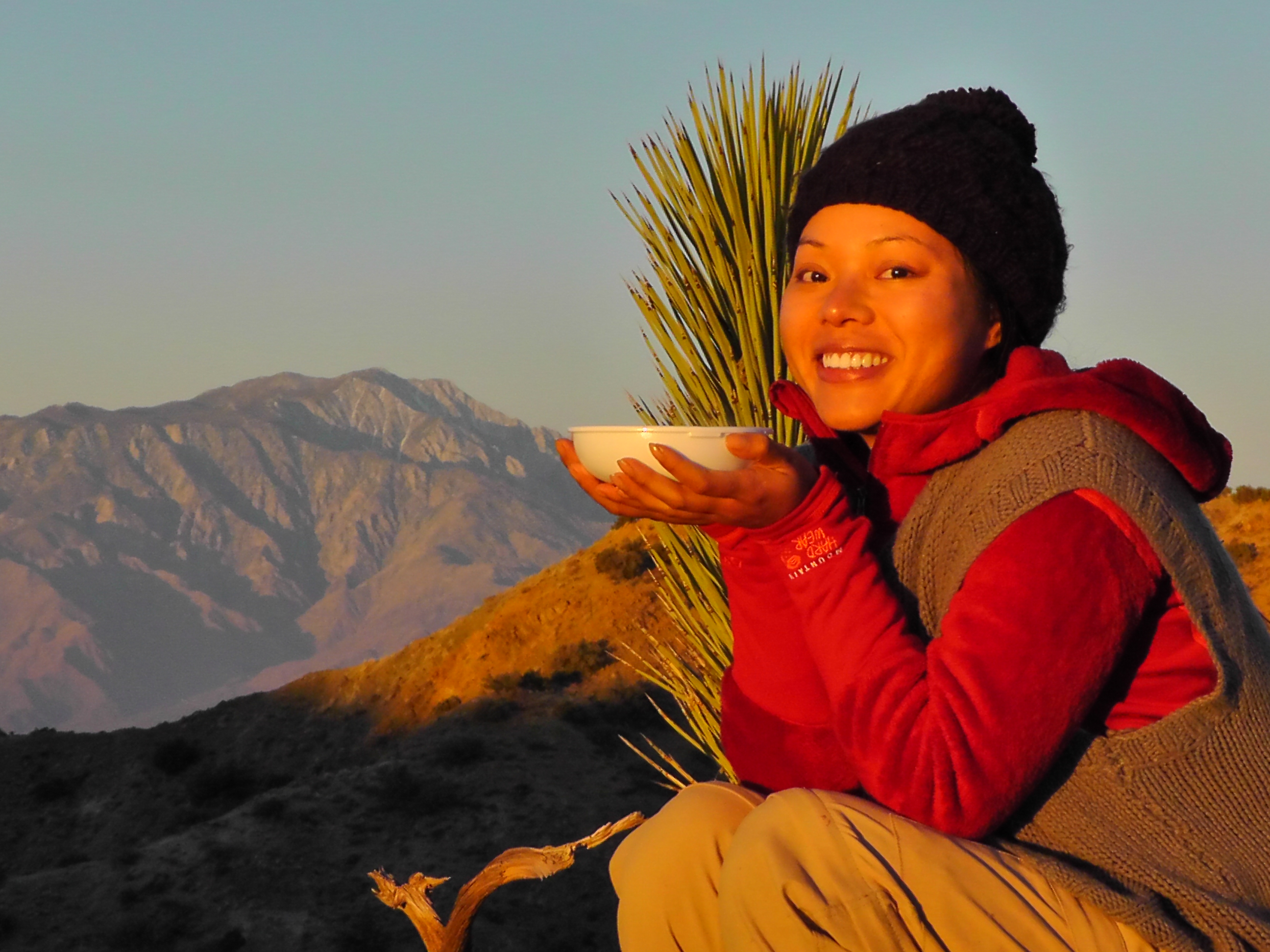
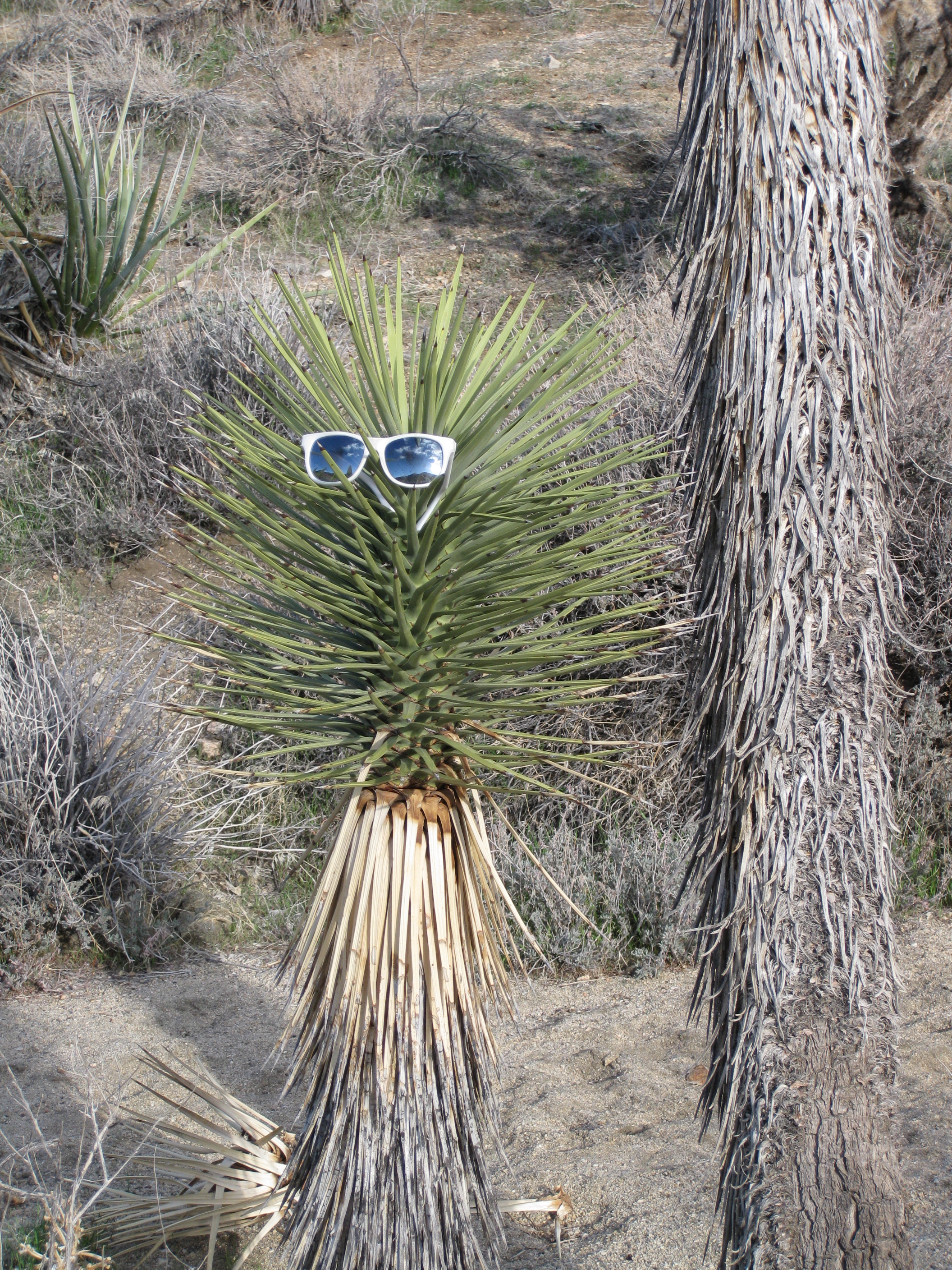
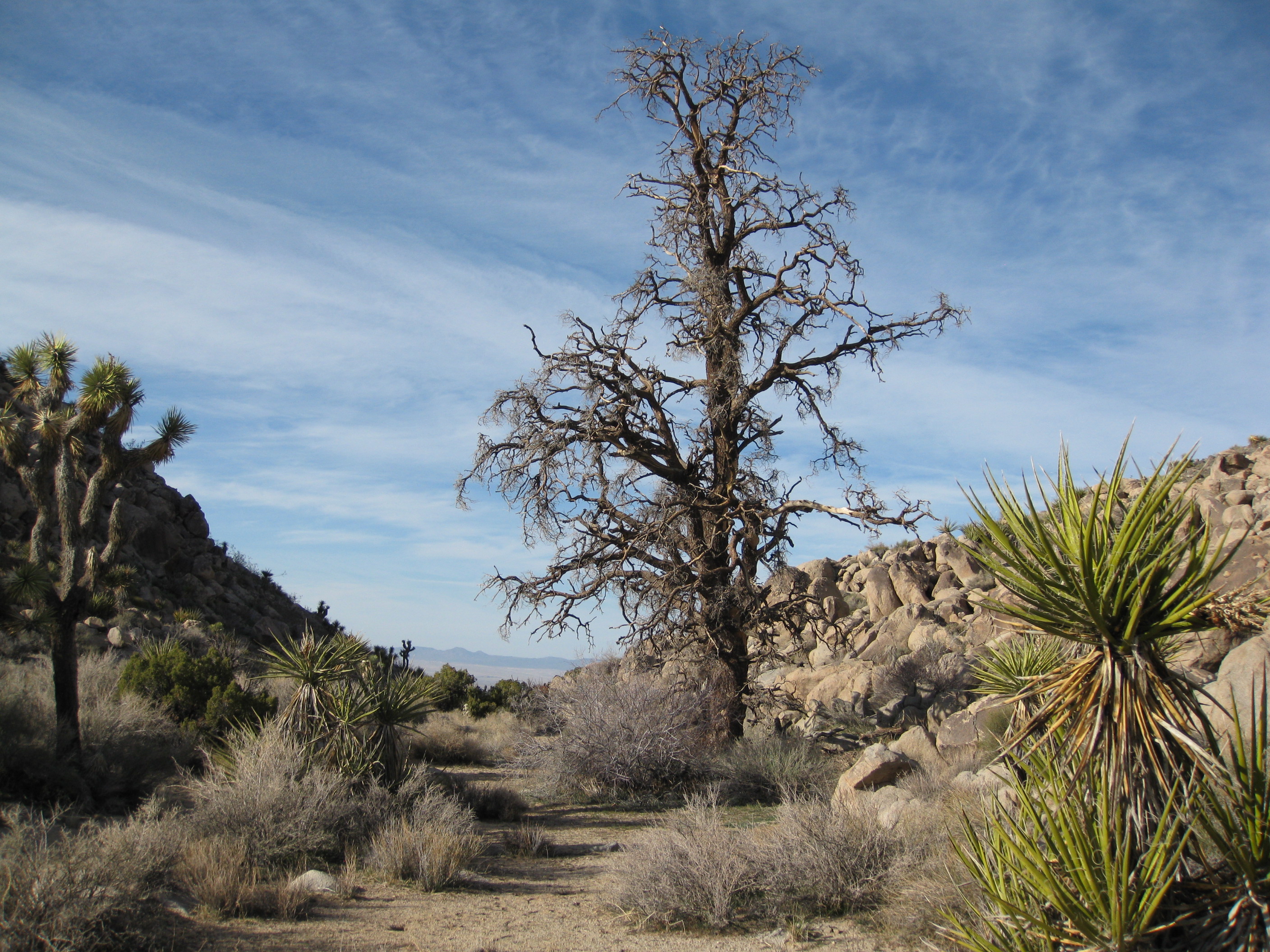
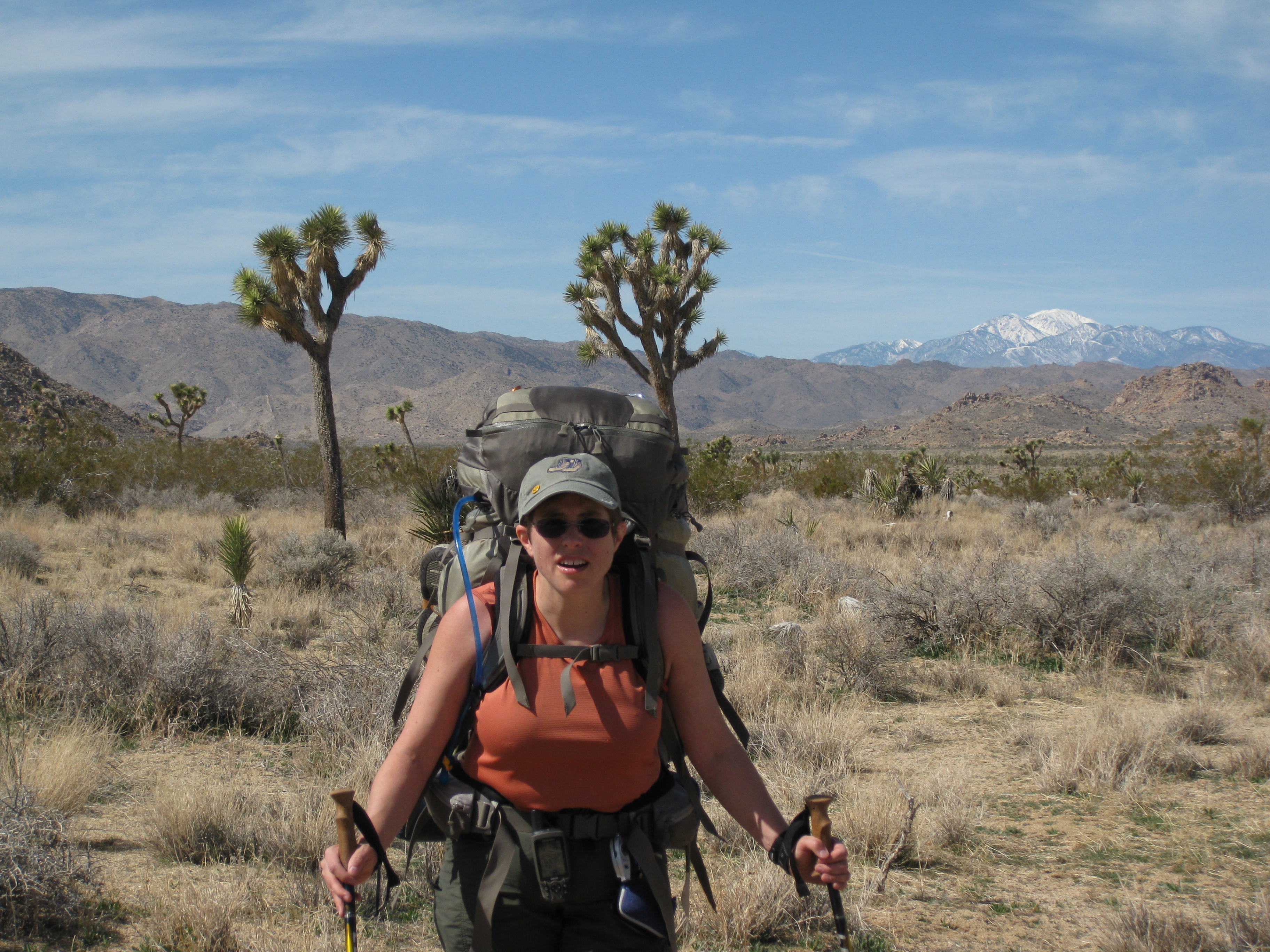
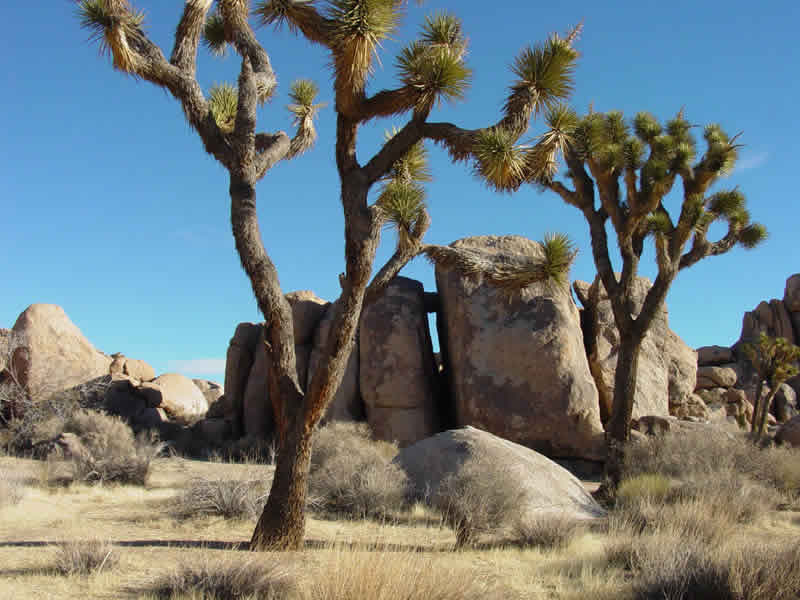
Join us for a unique desert backpacking adventure through Joshua Tree National Park, a striking and otherworldly landscape located in Southern California. Known for its rare and iconic Joshua Tree, dramatic granite monoliths, and expansive desert skies, this immersive journey is the perfect late fall escape for those looking to trade cold weather for sun-drenched solitude.
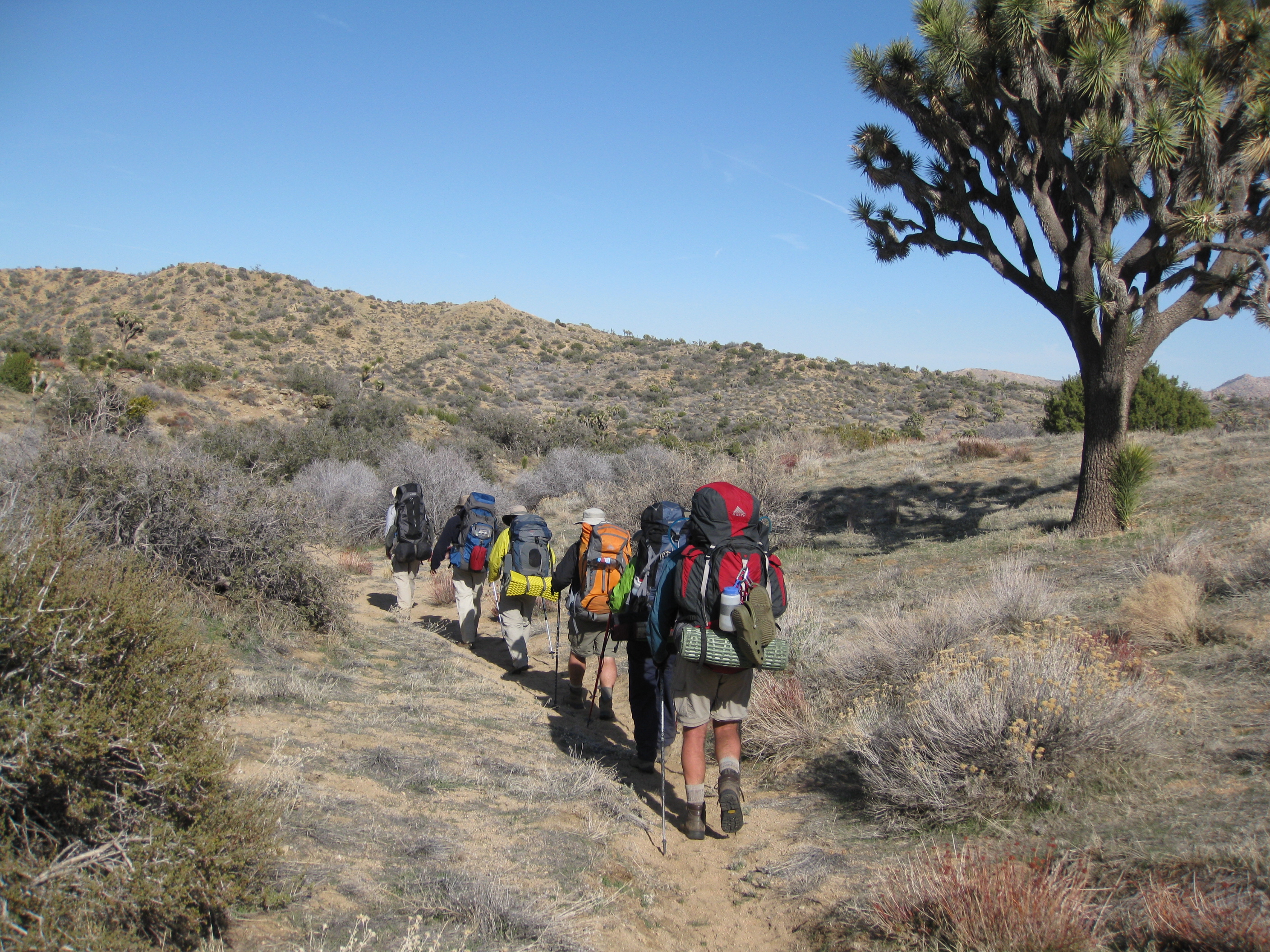
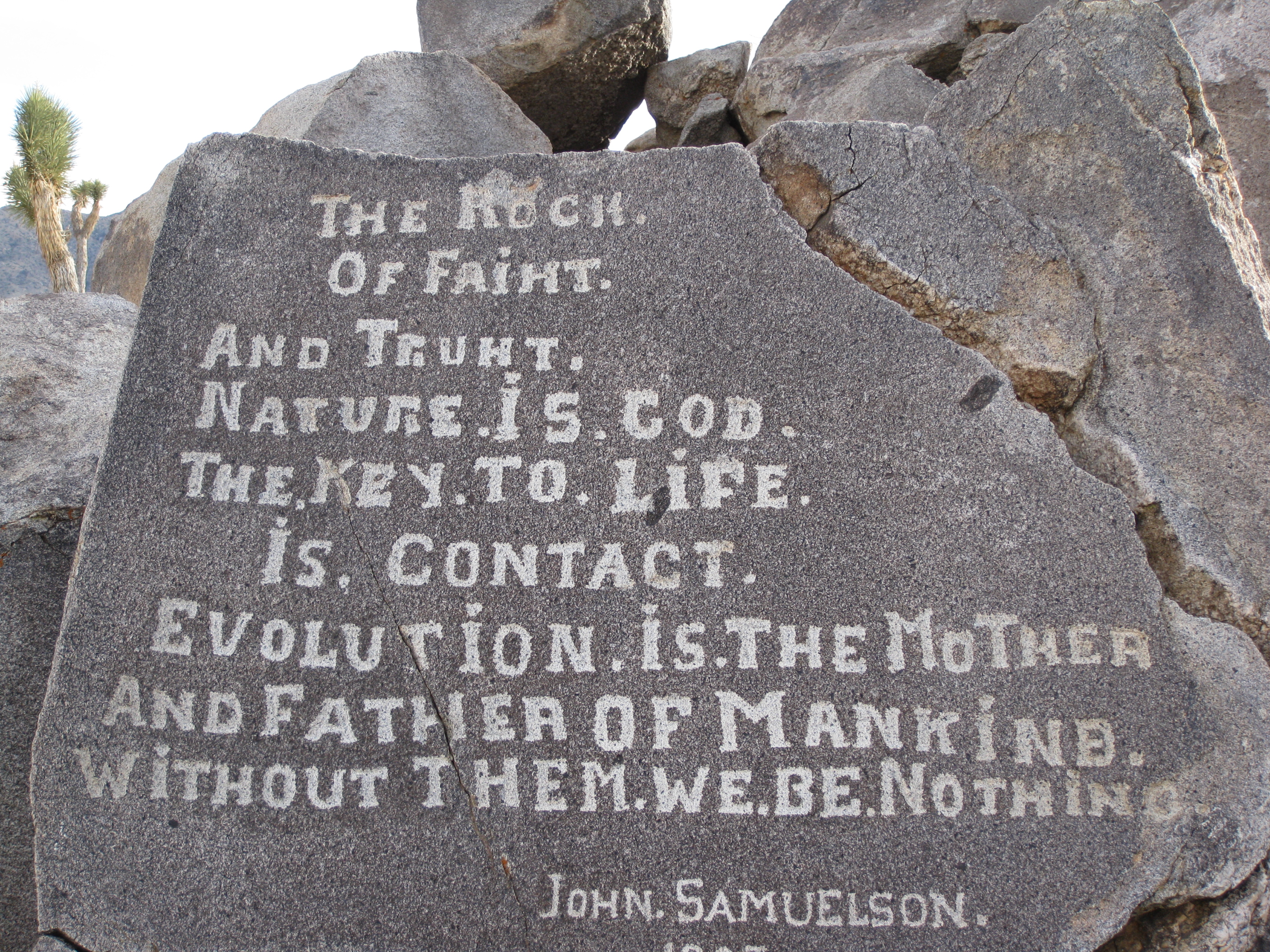
Our adventure begins near the Oasis entrance on the park’s northern edge. From there, we’ll traverse over two-thirds of the California Riding & Hiking Trail, taking in sweeping views, surreal rock formations, and the quiet majesty of the Mojave Desert. As we make our way through the heart of the park, we’ll leave the main trail to head toward Covington Crest, where the open skies may reveal dazzling nighttime vistas stretching out toward Palm Springs. Our final stretch leads us into the remote and rugged beauty of Smith Water Canyon, before concluding the trip at the Quail Springs Picnic Area.
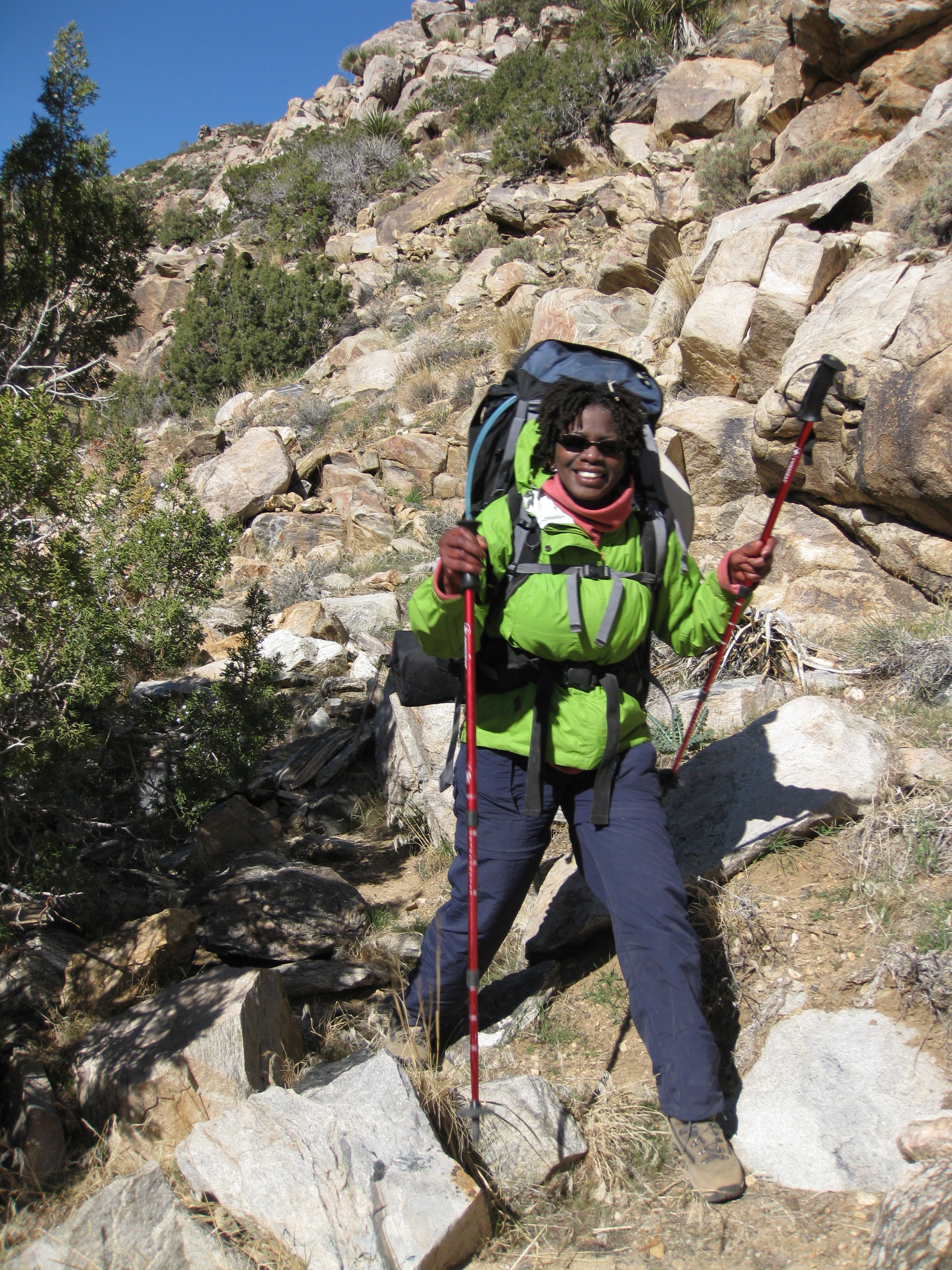
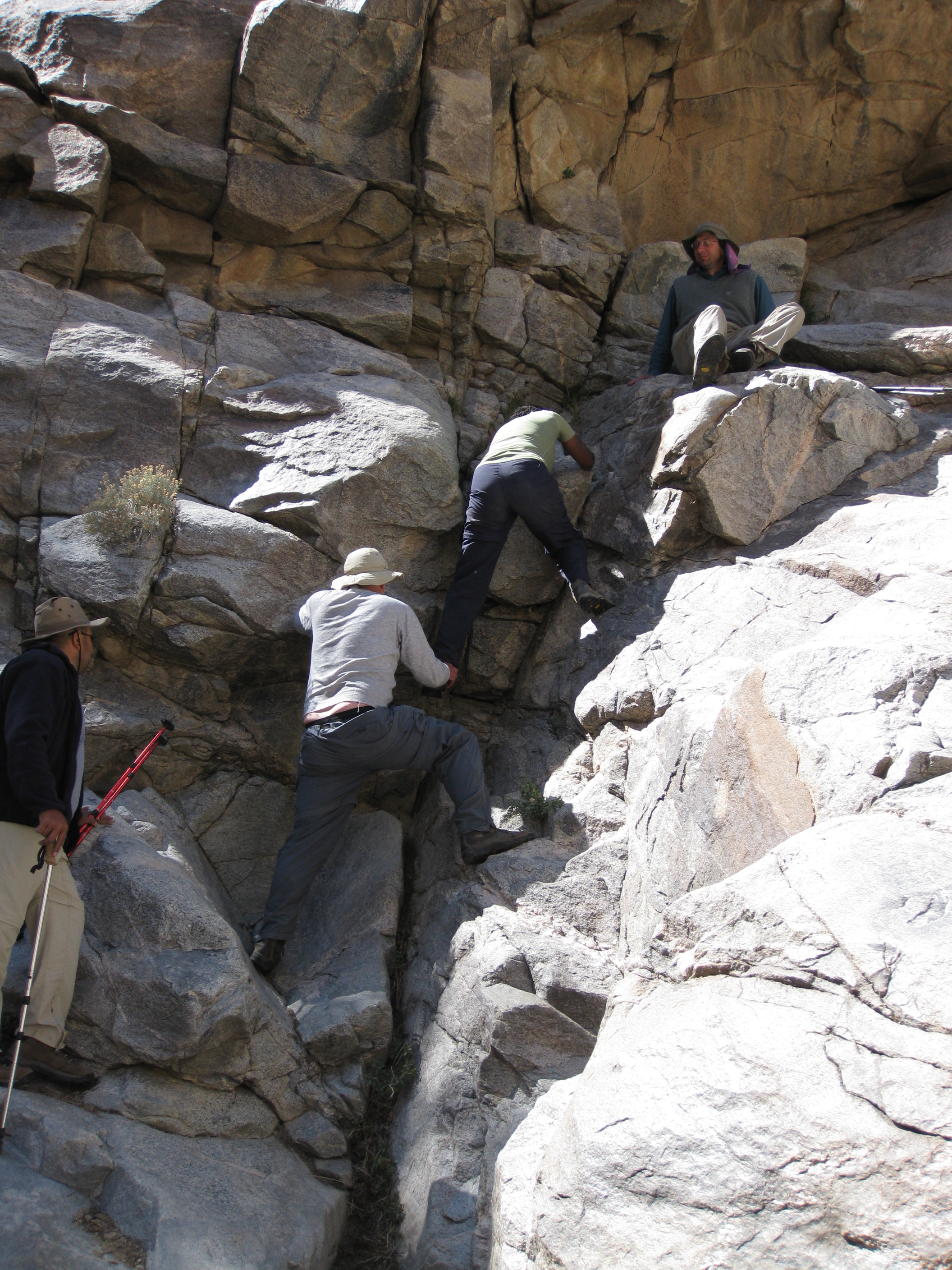
This journey is about more than just covering miles. Trail conditions range from well-trodden paths to rugged, sun-exposed stretches that may require off-trail navigation using map, compass, or GPS. These challenges add to the sense of exploration and reward, making this experience ideal for adventurous spirits looking to deepen their backcountry skills. At many of our campsites, participants will have the opportunity to scramble or boulder on nearby rock formations, with options for all skill levels. These activities are completely optional—relaxing and enjoying the desert scenery is equally encouraged.
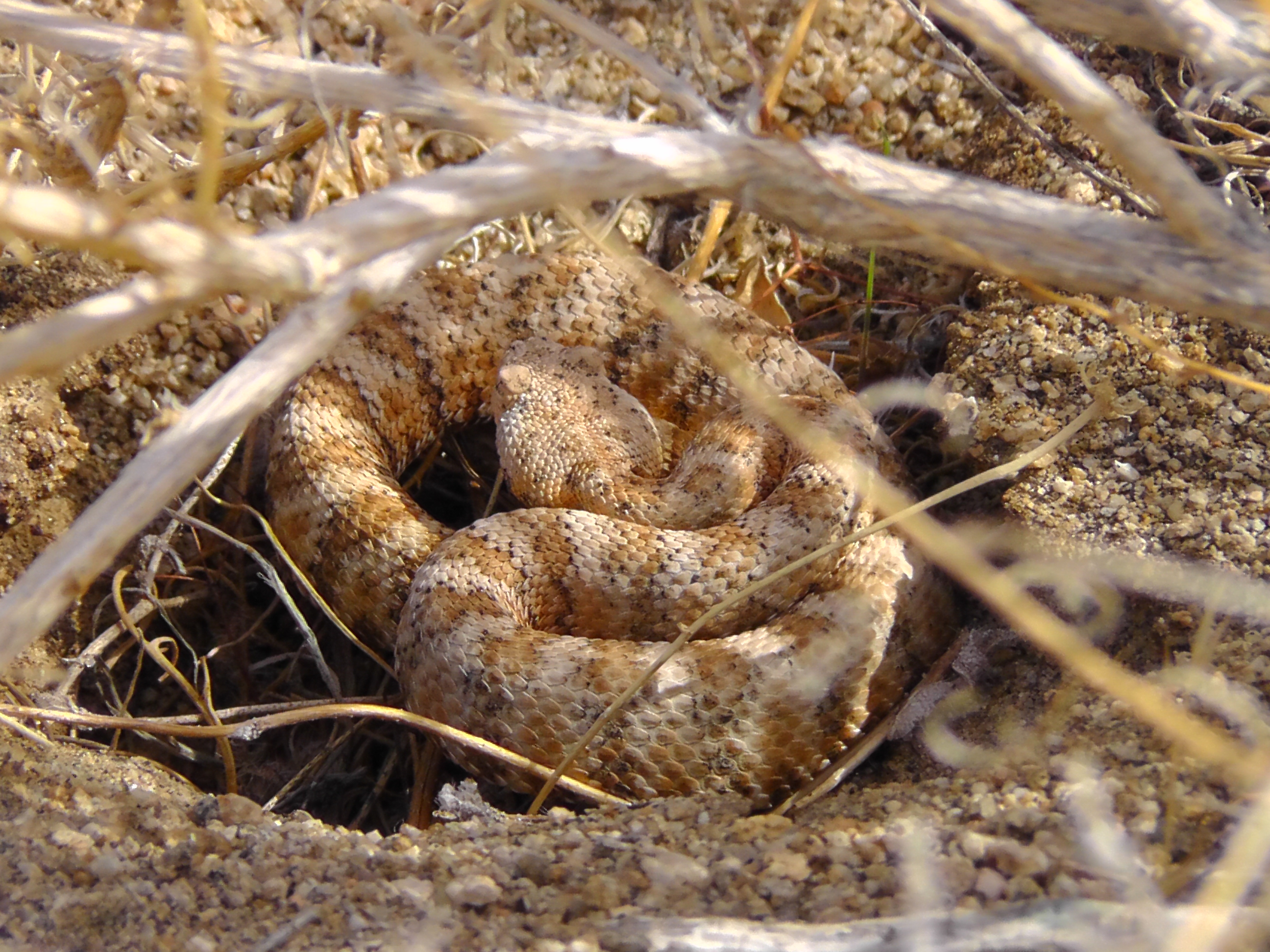
November is an ideal time to explore Joshua Tree. Mornings are cool, afternoons are dry and pleasantly warm, and the air is crisp and clear. The desert comes alive in subtle ways, and wildlife sightings may include bighorn sheep, jackrabbits, coyotes, and a variety of birds native to the region. Whether you're seeking a physical challenge, a chance to practice wilderness skills, or simply a meaningful escape into nature, this trip offers a truly unforgettable experience in one of America’s most iconic desert landscapes.
Topographical Map of Proposed Route
See Topo map
Weather
Weather is always a critical consideration when planning a backpacking trip, and November offers some of the most favorable conditions for exploring Joshua Tree National Park. For those seeking a mild escape from colder climates, this time of year delivers a comfortable balance ideal for both hiking and enjoying the expansive desert scenery.
During the day, temperatures typically range from the upper 60s to low 70s°F (19–22°C). These cool-to-warm conditions make for enjoyable hiking without the oppressive heat of summer. The desert’s wide-open landscape, brilliant light, and crisp air combine to create a truly immersive experience. Most days are sunny and pleasant, with little chance of precipitation.
However, it’s important to remember that desert environments are inherently variable. While November is generally mild, occasional spikes in temperature or intense sun exposure are possible, especially in open areas with minimal shade. Sun protection is essential.
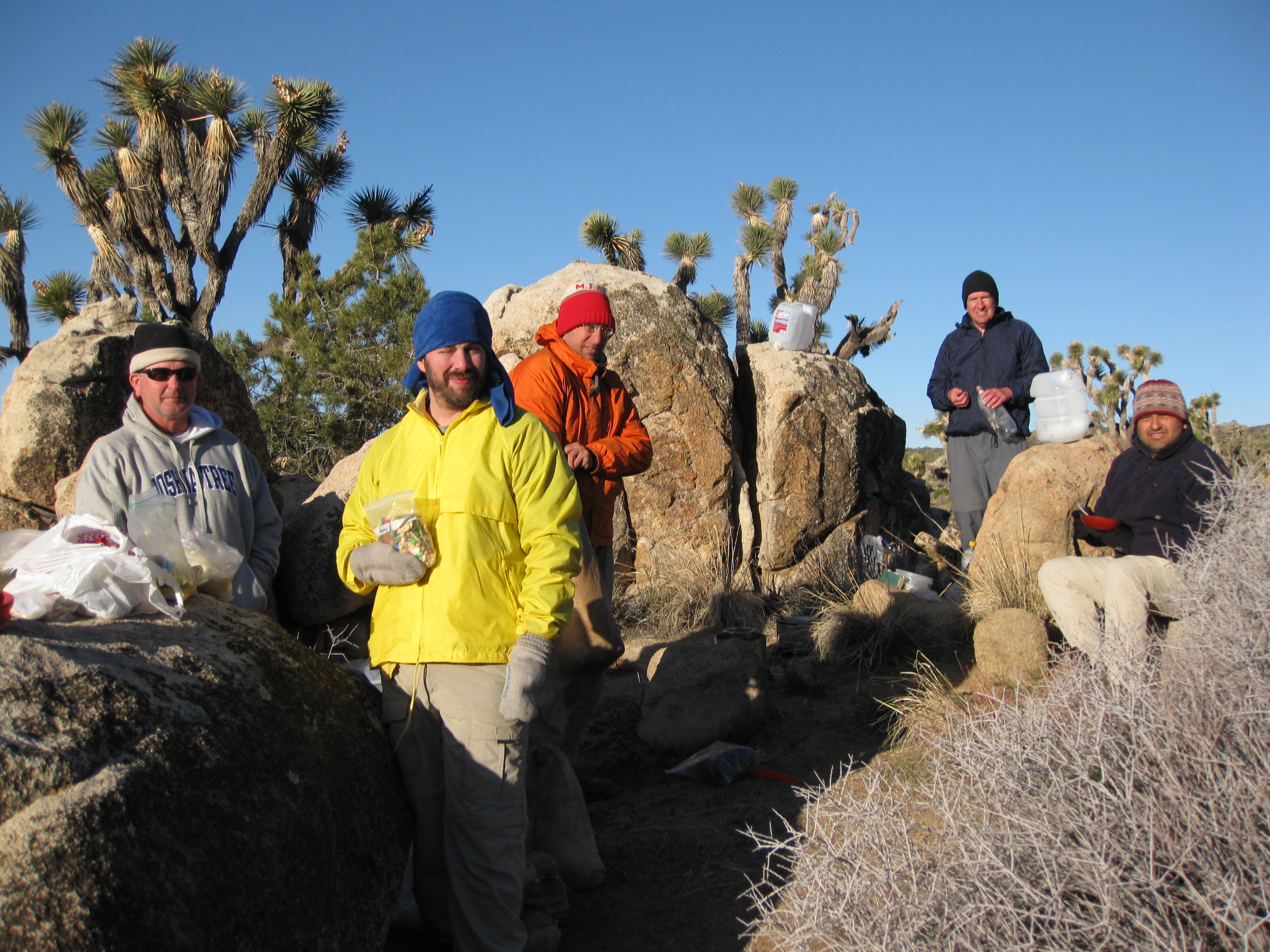
At night, the desert cools significantly. Temperatures often dip into the 30s and 40s°F (1–7°C), and on rare occasions can fall even lower. For example, during our 2009 trip, overnight lows reached the low 20s°F (-5 to -6°C). Participants must be prepared for potentially freezing overnight conditions.
Probable Trip Leaders
Rick Romine
Any Other Guide(s) TBD
Cost
$1900
per person double occupancy. Here, double occupancy means that you will share a hotel room with another trip participant. With single room accommodations are available for purchase. You will also be responsible for transportation to and from Palm Springs, CA (PSP) as well as personal equipment, restaurant meals (typically 2 dinners) and any gratuities for guides. You may also be charged for any parking charges for leaving your car at the hotel all week if you drive.
Covered expenses include 2 hotel nights, storage fees, 6 days of trail meals, airport transfers, ground transportation to/from/within the National Park, park permits, park entrance fees and awesome guides.
Tipping: In order to keep our prices competitive with (and hopefully favorable to)
other outfitters, we shamefully can’t pay our guides as much as we think they deserve.
Like most other guiding services, we rely on the generosity of our participants to make
up this shortfall by tipping the guides. Gratuity can comprise a significant and important
part of a guide’s compensation. The industry recommended gratuity amount is 10-20% of the
trip cost. Gratuities are always optional and based on level of satisfaction but generally
account for 30-60% of their income through gratuities. Fitpacking supports tipping to the
greatest extent possible while remaining tactful and professional. Guides are not permitted
to solicit tips in any way other than doing an exceptional job supporting and providing
exceptional customer service to our participants. If your guides have served you well,
please support them with gratuities so they can continue living their extravagant lifestyles
of eating powdered meals, sleeping in the dirt and pooping in smelly outhouses and small
holes they've dug.
Important Notes about this trip
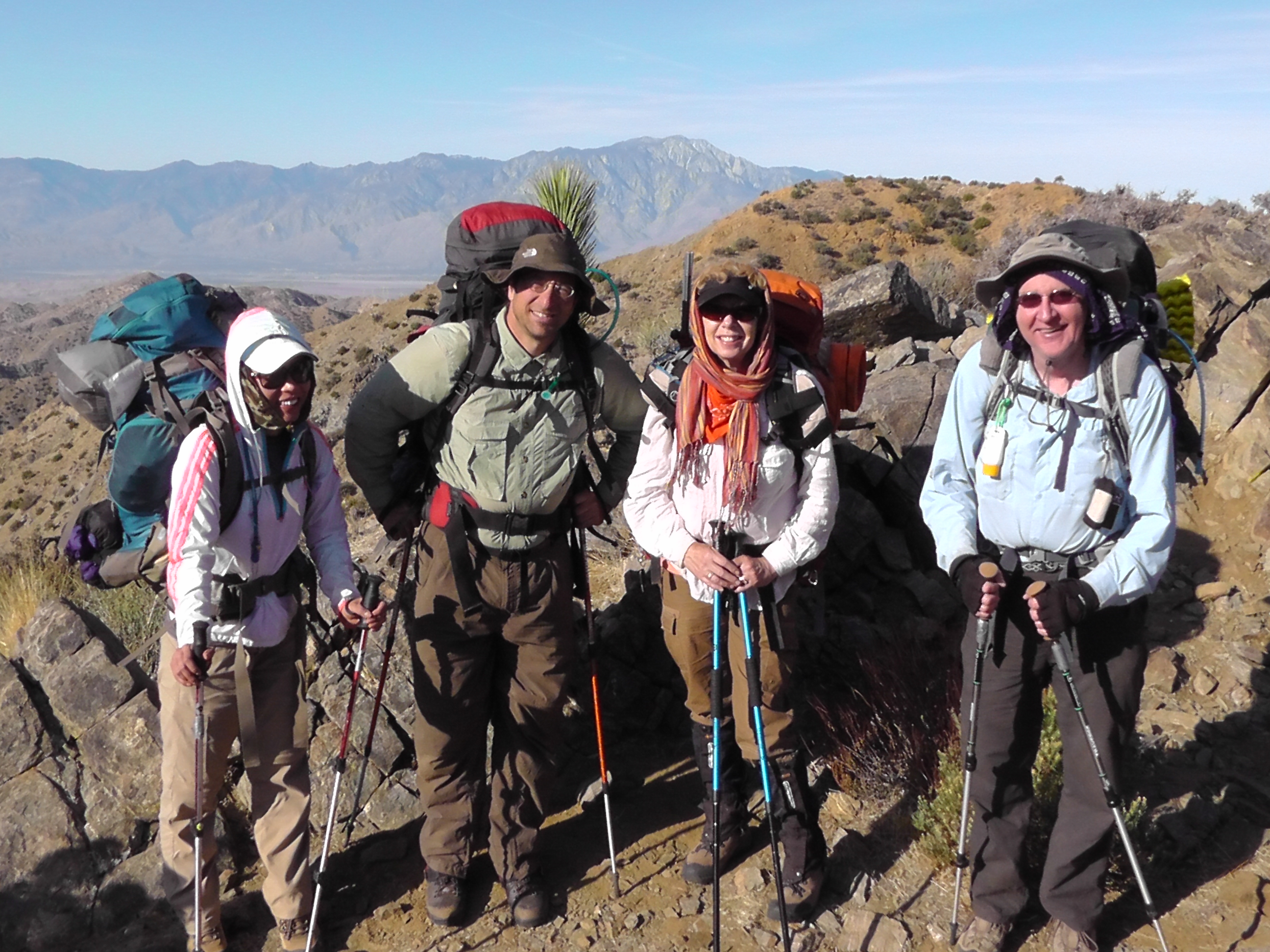
Water scarcity is a defining challenge of backpacking in Joshua Tree National Park. Because the region is an arid desert with very limited natural water sources, we are required to cache water ahead of time along our route. As a participant, you must be prepared to carry up to 2 gallons (approximately 16 pounds) of water in your backpack at any given time.
Even if we happen to encounter surface water during the trip, park regulations strictly prohibit the use of natural water sources, as they are protected for the survival of the local wildlife and vegetation. This means we will rely entirely on the water we carry or have pre-cached.
Proper hydration is critical in desert conditions, and your ability to manage water effectively will be a key part of this trip. Participants should come prepared with adequate water containers, hydration systems, and an understanding of their personal water needs—especially under sun-exposed and physically demanding conditions.
Back to top